Top Ad 728x90

More Stories

Wednesday, September 9, 2026

Why Dogs May Sniff Your Genital Area: Surprising Truth

by


Genital behavior in dogs often  confuses  and  even embarrasses  pet owners, especially when it  happens  in social situations.  If your dog has ever approached you or a guest and gone straight for the genital area, you are not alone in wondering why. This behavior might seem inappropriate from a human perspective, but for dogs, it is completely natural and driven by instinct. Dogs experience the world through their sense of smell. While humans rely mostly on sight, dogs gather information through scent. The genital area carries a strong and unique odor, which makes it especially interesting to them. When your dog sniffs the genital area, it is essentially gathering detailed information about a person.

This type of genital investigation  is linked  to scent glands and chemical signals. Humans have apocrine sweat glands in areas like the armpits and genital region. These glands release pheromones that dogs can easily detect. To your dog, this scent provides insight into identity, emotional state, and even biological factors. When a dog focuses on the genital area, it is not acting out of disrespect.

Photo by   Ugur Arpaci   on   Unsplash Instead, it is following a natural communication method.  Dogs greet each other by  sniffing  rear areas, and they extend  similar  behavior toward humans because they  see  us as part of their social group. Another important factor is height. For many dogs, the genital area is simply at nose level.  This  makes it one of the easiest places for them to access scent information.  From their perspective, this is  efficient  and direc t. Genital curiosity can also increase  depending on  changes in scent.  For example, hormonal fluctuations can  make  a person smell  different  to a dog.   This  includes situations like ovulation, pregnancy, or illness. Dogs may become more interested in the genital area because the scent signals have changed. In some cases, dogs may show a stronger reaction to certain individuals.  This  does not mean anything negative. It often just means that the scent is more intense or unfamiliar. Dogs  are naturally drawn  to new or strong smells, and the genital region can provide both. Health conditions can also  play a role in  genital sniffing behavior. Dogs have  been known  to detect infections or changes in the body through  scent .  If your dog suddenly becomes fixated on your genital area, it  might  be reacting to a subtle change that you are not aware of  yet . This  does not mean you should panic. It simply highlights how sensitive a dog’s sense of smell can be.  Their  ability to detect changes is one of the reasons dogs  are used  in medical detection roles. Genital sniffing  is also linked  to social bonding.  When dogs sniff each other, they  are exchanging  information and  building  familiarity.  When they do this with humans, they are trying to understand and connect. It is their way of saying hello and learning more about you. From a behavioral standpoint, genital sniffing  is not considered  a problem unless it becomes excessive or disruptive. Most dogs will briefly sniff and then move on. If your dog lingers too long, it may just need guidance on boundaries. Training can help manage genital sniffing in social settings. You can redirect your dog’s attention with commands or rewards. Over time, your dog can learn that greeting people more calmly is preferred. It is important not to punish your dog for this behavior. Since genital sniffing is instinctual, punishment can create confusion or anxiety. Instead, focus on positive reinforcement to guide more appropriate interactions. Genital interest can also vary by breed and personality. Some dogs are naturally more curious and investigative. Others may show less interest in scent-based behaviors.  This variation is normal and  depends on the  individual  dog . Environmental factors can influence genital sniffing  as well .  New environments, unfamiliar people, and different scents can all increase a dog’s curiosity. When everything is new, dogs rely even more on their sense of smell to understand their surroundings. If your dog frequently targets the genital area of specific people, it may be reacting to a unique scent profil e.  This  could include perfumes, hygiene products, or natural body chemistry. Dogs do not differentiate between what humans consider appropriate or inappropriate.  They  simply  follow the strongest scent cues. It can sometimes make guests uncomfortable.  In  these  situations, it is helpful to manage introductions.  Keeping your dog on a leash or giving clear commands can prevent awkward interactions.  This  allows both your dog and your guests to feel more at ease. Understanding genital behavior  in dogs  helps remove the stigma  around  it.  What may seem embarrassing is actually a normal and functional part of how dogs interact with the world. When you view it from their perspective, it becomes easier to accept and manag e.Genital dog sniff

Photo by   Laura Roberts   on   Unsplash Dogs also use genital scent to recognize individuals.  This  means that your dog may rely on this behavior to confirm who you are, especially after you have been awa y.  It is part of how they maintain familiarity within their social group. It  is not linked  to dominance or bad manners. It is purely about information gathering. Misinterpreting this behavior can lead to unnecessary concern or incorrect training approaches. If you notice sudden changes in your dog’s sniffing habits, it may be worth paying attention. While it is usually harmless, a sudden increase in focus could indicate that your dog is detecting something unusual. In general, it is a harmless and natural behavior. It reflects how dogs communicate, explore, and understand their environment. By recognizing this, you can respond in a calm and informed way. Managing it is about balance. You do not need to eliminate it, but you can guide it to be more socially acceptable. Simple training techniques and awareness can make a big difference. At the end of the day, that sniffing is just one part of a dog’s sensory world. It may feel awkward to us, but for them, it is completely normal. Understanding this helps strengthen the bond between you and your dog while keeping interactions comfortable for everyone involved.

I Woke Up to These Strange Reddish-Brown Capsules - Then I Discovered What They Were

by


Finding several small, reddish-brown, shiny objects on your bed can be surprisingly unsettling. At first glance, they may look unfamiliar enough to make you wonder whether they are insect eggs, seeds, pieces of food, or something else entirely.


When something appears in an unexpected place, the mind naturally tries to explain it. And because a bed is somewhere we associate with cleanliness and comfort, discovering mysterious objects there can immediately feel concerning.


But before jumping to the most alarming explanation, there is a simple step that can make a big difference: look closely at what you actually found.


In many cases, objects that appear strange at first may turn out to be completely ordinary items that simply ended up somewhere they weren't expected to be.


One possibility worth considering is that the objects are softgel capsules commonly used for vitamins, supplements, or certain medications.


Why Softgel Capsules Can Look So Unusual

Softgel capsules have a distinctive appearance.


Unlike traditional hard capsules, which are usually made from two separate pieces, softgels have a smooth, flexible outer shell. Many are oval or oblong and have a glossy, almost polished surface.


Depending on what they contain and how they are manufactured, softgels can appear:


Reddish-brown


Amber


Orange


Golden


Dark brown


Yellowish


Translucent


When viewed individually—especially without the bottle or packaging they came from—they can look surprisingly unfamiliar.


Their shiny surface can also reflect light in a way that makes them appear darker or more reddish than they actually are.


If you find several objects that have nearly identical dimensions, shapes, and colors, that consistency can be an important clue.


Manufactured products tend to be remarkably uniform.


A group of naturally occurring objects, by comparison, may show more variation in size, texture, or shape.


Of course, appearance alone cannot prove what an unidentified object is. It simply gives you a useful starting point for figuring it out.


Có thể là hình ảnh về cây nảy nầm


The Location Can Be Misleading

One of the most interesting parts of finding mysterious objects is trying to understand how they got there.


If the objects are sitting on a bed, it is tempting to assume they must have come from the bed itself.


But that's not necessarily true.


Small objects can travel surprisingly easily around a home.


A capsule could have:


Fallen from a supplement bottle


Slipped out of a pocket


Become caught in clothing


Fallen from a bag or backpack


Been carried into another room


Become trapped in bedding


Moved when sheets or blankets were changed


Fallen from a nightstand or nearby shelf


A person may not even realize they dropped something.


Something as small as a softgel can disappear into clothing, bedding, or a bag and remain unnoticed until it eventually falls out.


That means finding capsules on a bed does not automatically indicate that anything unusual happened in the room.


Sometimes the explanation is simply a small object moved from one place to another without anyone noticing.


Could They Be Insect Eggs?

This is often one of the first concerns people have when discovering mysterious small objects.


Certain insects do lay eggs in homes, and some can be found in areas people don't immediately expect. However, insect eggs often have characteristics that distinguish them from manufactured capsules.


Their appearance can vary considerably depending on the species, but eggs may be:


Very small


Clustered together


Attached to a surface


Irregularly arranged


Matte or textured


Different in shape from one another


Some insect eggs can certainly be smooth or shiny, which is why appearance alone isn't enough for identification.


Instead of focusing only on color, examine the overall pattern.


Are the objects nearly identical?


Are they clearly capsule-shaped?


Do they have a smooth, glossy coating?


Are they loose rather than attached to the bedding?


Are there multiple objects with exactly the same appearance?


These details can help distinguish an ordinary manufactured product from something biological.


If you find actual insects, shed skins, droppings, clusters of eggs, or repeated evidence of pests, however, the situation deserves closer investigation.


What About Seeds?

Seeds are another possibility people often consider.


There are countless seed varieties with brown, reddish, black, or amber coloration. Some can be surprisingly glossy and smooth.


Seeds can also end up in unexpected places after becoming attached to clothing, transported in bags, or mixed with household items.


However, natural seeds usually have characteristics associated with their particular plant species.


They may have distinctive:


Shapes


Surface patterns


Ridges


Shells


Color variations


Textures


If every object looks almost perfectly identical, particularly in both shape and finish, that may make a manufactured item more likely—but again, this is only a clue, not definitive identification.


The Best Place to Start Is Your Own Home

Before searching for complicated explanations, look around the area where you discovered the objects.


Check nearby:


Nightstands and bedside tables:

A supplement bottle or medication container may have been moved or knocked over.


Drawers:

Small capsules can easily escape from loosely closed packaging.


Clothing:

Check pockets, cuffs, and folds, particularly if you recently changed clothes on or near the bed.


Bags and backpacks:

Supplements and medications are frequently carried in bags, sometimes outside their original packaging.


Shelves and cabinets:

A bottle stored above or near the bed could be the source.


Laundry and bedding:

A capsule may have become trapped in clothing or sheets and only appeared after the bedding was moved.


You may be surprised by how often the explanation becomes obvious once you reconstruct what happened in the surrounding area.


Check the Packaging Before Making Any Assumptions

If you suspect the objects are softgels, look for bottles or blister packs containing similar products.


Don't rely solely on memory.


Check the label carefully and compare the:


Color


Shape


Size


Number of capsules


Product name


Manufacturer


Directions


Appearance shown on the packaging, if available


Some supplements contain oils or other ingredients that naturally give softgels a reddish, amber, or brown appearance.


If you find a bottle that appears to be missing several capsules and the objects look identical, you may have solved the mystery.


However, even if a capsule looks exactly like one from a bottle, do not consume it if you cannot establish with confidence what it is or how it was stored.


Never Take an Unidentified Capsule

This is perhaps the most important safety rule.


Even if an unidentified capsule looks like a familiar vitamin, supplement, or medication, don't swallow it simply because it resembles something you have taken before.


Different products can have very similar appearances.


An unidentified capsule could potentially contain a medication, supplement, or another substance that is inappropriate for you.


It may also have been contaminated or improperly stored.


If you think you have found medication or supplements, keep them away from children and pets.


If identification is uncertain, a pharmacist or other qualified healthcare professional may be able to help determine what the product could be based on its packaging, markings, and physical characteristics.


If someone has already swallowed an unidentified substance, seek appropriate medical or poison-control advice rather than waiting for symptoms to appear.


What If You Keep Finding Them?

Finding one or two mysterious capsules is one thing.


Finding them repeatedly is different.


If similar objects continue appearing despite cleaning the room and checking nearby belongings, it is worth looking more carefully at the environment.


Ask yourself:


Are they always appearing in the same location?


Are they found only on the bed?


Are they also appearing on the floor or furniture?


Are they coming from clothing or a bag?


Is there a nearby container that could be leaking or spilling them?


Are there any insects or other signs of pests?


Repeated findings can provide a pattern that helps explain their origin.


If there are genuine signs of an insect infestation—such as live insects, shed skins, droppings, damaged materials, or clusters of suspected eggs—consider taking clear photographs and contacting a qualified pest-control professional for identification.


Why Taking a Photograph Can Help

Before throwing mysterious objects away, take a few clear photographs.


A close-up image can preserve useful details that may otherwise be forgotten.


For the best chance of identification, photograph the objects:


From above


From the side


Next to a familiar object for scale


In good natural light


Individually and as a group


A ruler or coin placed beside the object can help establish its approximate size.


You can also photograph any nearby packaging, markings, containers, or other clues.


This information can be much more useful than simply describing something as “a small brown capsule.”


Don't Rely on Color Alone

Color can be one of the most misleading characteristics when identifying an unknown object.


Lighting conditions, camera settings, reflections, and surrounding colors can all change how something appears.


A capsule that looks dark brown under indoor lighting may appear amber or reddish under natural light.


The same applies to seeds, insect eggs, beads, food particles, and other small objects.


Instead, consider several characteristics together:


Shape + size + texture + flexibility + markings + quantity + location


The combination is much more informative than color alone.


For example, a group of smooth, identical, oval, translucent objects found beside a supplement bottle tells a very different story from a group of irregular objects attached to fabric.


A Strange Discovery Doesn't Always Mean a Serious Problem

Our brains are naturally good at detecting unusual patterns.


When something unfamiliar appears in a place where it doesn't belong, we tend to search for an explanation immediately. Online searches can sometimes make this worse because dramatic possibilities are often more memorable than ordinary ones.


A few unexplained objects can quickly turn into thoughts about insects, contamination, or something potentially dangerous.


But the simplest explanation is often worth checking first.


A supplement capsule that fell from a bottle is not nearly as exciting as a mysterious biological discovery—but it is also far more ordinary.


That doesn't mean you should ignore unusual findings. It simply means investigation should come before panic.


What You Should Do If You Find Similar Objects

If you discover reddish-brown, shiny capsules on your bed, a sensible approach is straightforward.


First, don't consume them.


Next, move them away from children and pets.


Then examine their shape, size, texture, and surface.


Check your bedroom and nearby belongings for a possible source.


Look for supplement bottles, medications, packaging, clothing, bags, or other objects that could explain how they got there.


If you find matching packaging, compare the contents carefully.


If you remain uncertain, photograph the objects and ask a pharmacist, healthcare professional, or appropriate identification service for assistance.


And if there are additional signs suggesting an insect problem, investigate that possibility separately rather than assuming the objects are insect eggs based solely on their color.


The Mystery May Have a Very Ordinary Explanation

Discovering a handful of reddish-brown, glossy capsules on your bed can certainly make you pause.


Their unusual appearance may immediately raise questions: Where did they come from? Are they seeds? Are they insect eggs? Did something happen while I was asleep?


But appearances can be deceptive.


Softgel vitamins and supplements can have exactly the kind of smooth, shiny, reddish-brown appearance that initially makes an ordinary capsule look mysterious. Their uniform shape and consistent finish may provide clues, while their unexpected location can often be explained by something as simple as a spilled bottle, a pocket, a bag, or a piece of clothing.


Still, identification should never be based on appearance alone.


Don't take an unidentified capsule, and don't let children or pets handle it. If you're uncertain about what you've found, professional advice is the safest option.


Sometimes the things that look the most mysterious turn out to have the simplest explanations.


And in situations like this, a little caution is sensible—but there is usually no reason to panic.

Your choice reveals your personality...

by


Visual personality tests are a fun way to explore how our minds work. While they are not scientifically definitive, they can offer interesting insights into the traits we value and the way we perceive people.


Sometimes, the choices we make in simple visual scenarios reflect deeper preferences connected to our personality, emotions, and experiences.


In this challenge, imagine that five women are standing with their backs turned. Each has a different posture, outfit, and overall style. The question is simple:


Which woman do you think will be the most attractive when she turns around?


Your instinctive choice may reveal certain aspects of your personality and the qualities you naturally admire in others.


Below are some commonly shared interpretations of each choice.


Woman #1 – The Confident and Passionate Personality

If you chose the first woman, you may be someone who is drawn to confidence and bold energy.


She is wearing a red dress, a color traditionally associated with passion, strength, and charisma. Red often symbolizes intensity and emotional expression, which may explain why it catches the attention of people who enjoy vibrant personalities.


Her upright posture suggests someone who is comfortable being noticed and unafraid of standing out.


People who select this option are often described as individuals who admire determination and strong presence in others. You may enjoy conversations that are lively and meaningful, and you likely appreciate relationships that feel passionate and exciting.


This choice can also reflect a romantic mindset. Because red is frequently linked to love and attraction, choosing this figure may suggest that emotional connection plays an important role in how you view relationships.


You might value honesty, intensity, and partners who are expressive about their feelings.


Woman #2 – The Relaxed and Easygoing Personality


Choosing the second woman may suggest that you appreciate simplicity, authenticity, and comfort.


Her casual outfit—shorts and a relaxed top—creates the impression of someone who enjoys life without worrying too much about appearances or formality.


People who choose this figure often value genuine personalities over glamour.


You may prefer environments that feel natural and relaxed rather than highly formal or competitive. Spending time outdoors, traveling, or enjoying simple activities with friends might be more appealing to you than luxury or status.


Psychologically, this choice may indicate that you value emotional warmth and stability.


You might believe that the most attractive qualities in a person are kindness, humor, and the ability to make others feel comfortable.


To you, authenticity often matters more than perfection.


Woman #3 – The Romantic and Imaginative Personality

The third woman is holding flowers and wearing a light, elegant dress.


If you chose this figure, you may be someone who appreciates romance, creativity, and emotional depth.


Flowers are often symbols of beauty, appreciation, and meaningful gestures. Combined with the elegant dress, the image suggests someone attending a special moment or celebration.


People who choose this option often have vivid imaginations and enjoy experiences that feel memorable and emotionally rich.


You might be drawn to art, music, storytelling, or other creative activities that allow you to express feelings and ideas.


This choice can also reflect a sensitive and empathetic personality. You may naturally notice small emotional details in others and enjoy making people feel valued.


For you, attraction may be closely connected to emotional connection and thoughtful gestures.


Woman #4 – The Elegant and Sophisticated Personality


If you selected the fourth woman, you may appreciate elegance, discipline, and sophistication.


Her hairstyle and formal dress suggest someone attending an evening event or special occasion. The way she stands conveys grace and confidence.


People who choose this option often admire ambition and self-improvement.


You might appreciate individuals who take pride in their appearance, work hard toward their goals, and present themselves confidently in social situations.


This choice can also indicate a personality that values structure and achievement.


You may enjoy environments where people are motivated, organized, and focused on success.


To you, attractiveness may include confidence, maturity, and the ability to carry oneself with elegance.


Woman #5 – The Thoughtful and Independent Personality

The fifth woman is dressed casually in jeans and a hoodie, standing in a calm and relaxed way.


If this was your choice, it may suggest that you value independence, intelligence, and quiet confidence.


People who choose this figure often look beyond appearances and focus on deeper qualities such as character, authenticity, and personal values.


You might enjoy thoughtful conversations, personal growth, and experiences that help you understand the world better.


Instead of being drawn to flashy appearances, you may believe that true attractiveness comes from honesty, integrity, and individuality.


This choice can also reflect a balanced personality. You may enjoy spending time with others but also appreciate moments of solitude where you can think, learn, and reflect.


What Your Choice Really Means

Personality tests like this are meant to be entertaining rather than scientifically precise.


However, they can sometimes highlight the traits we admire most in others—and those traits often reflect aspects of our own personality.


Whether you prefer confidence, simplicity, romance, elegance, or independence, each choice represents a different perspective on what makes someone attractive.


And in many cases, our choices say just as much about who we are as they do about the people we admire.

The Surprising Health Benefits of Walnuts Doctors Want You to Know

by


Walnuts may look like an ordinary snack, but these small, wrinkled nuts contain an impressive combination of healthy fats, plant compounds, protein, fiber, vitamins, and minerals.


Unlike many snack foods, walnuts provide a substantial amount of polyunsaturated fat, including the plant-based omega-3 fatty acid alpha-linolenic acid (ALA). They also contain antioxidants and other bioactive compounds that have attracted considerable interest from nutrition researchers.


Eating walnuts does not guarantee protection from disease, and they should never be considered a replacement for medical treatment. But adding a reasonable portion of walnuts to an otherwise balanced diet may offer several meaningful health advantages.


So, what happens when walnuts become a regular part of your diet?


Giá trị dinh dưỡng từ hạt óc chó | Vinmec


1. Walnuts May Support Heart Health

One of the best-studied reasons to include walnuts in your diet is their potential benefit for cardiovascular health.


Walnuts are rich in unsaturated fats, particularly polyunsaturated fats. Replacing foods high in saturated fat with foods containing unsaturated fats can contribute to healthier blood cholesterol levels.


Walnuts also contain ALA, the plant form of omega-3 fatty acid.


Research on walnut consumption has found improvements in certain cardiovascular risk factors, including blood lipid profiles, although the size of the benefit varies between studies and individuals.


The broader dietary pattern matters too.


Adding walnuts to a diet already high in vegetables, fruits, whole grains, legumes, and other minimally processed foods is likely to be more beneficial than simply adding a handful of nuts to an otherwise unhealthy diet.


2. They Provide Plant-Based Omega-3 Fatty Acids

When people hear “omega-3,” they often think about fatty fish.


Walnuts are different because they provide ALA, a plant-based omega-3 fatty acid.


ALA is an essential fatty acid, meaning the body cannot produce enough of it on its own and therefore needs to obtain it through food.


Your body can convert some ALA into EPA and DHA, the omega-3 fatty acids found in fish and seafood. However, this conversion is limited.


That means walnuts are a valuable source of ALA, but they are not nutritionally identical to fatty fish.


For people who eat little or no seafood, walnuts can still be a useful part of a diet containing other plant sources of healthy fats.


3. Walnuts May Be Good for Brain Health

The brain is highly dependent on healthy fats and a steady supply of nutrients.


Walnuts contain ALA, polyphenols, vitamin E, and other compounds that have been investigated for their potential relationship with brain health.


Some observational research has associated nut consumption with aspects of cognitive health, while laboratory studies suggest that walnut compounds may have antioxidant and anti-inflammatory properties.


However, this does not mean walnuts can prevent dementia or reverse cognitive decline.


Human research is still developing, and many factors influence brain health, including:


Blood pressure


Physical activity


Sleep


Diabetes


Social engagement


Overall diet


Smoking


Alcohol consumption


Rather than thinking of walnuts as a “brain-boosting cure,” it's more accurate to consider them one nutritious food that can fit into an overall brain-healthy dietary pattern.


4. They Are Packed With Antioxidant Compounds

Walnuts contain several plant compounds with antioxidant activity.


Their thin outer skin, which can sometimes taste slightly bitter, contains many of these compounds.


Antioxidants help the body manage oxidative stress, a normal biological process that can become problematic when reactive molecules overwhelm the body's protective systems.


Walnuts contain compounds such as:


Polyphenols


Vitamin E compounds


Melatonin


Plant-based omega-3 fats


These compounds are part of the reason walnuts continue to attract interest in nutritional research.


But be careful with the word “antioxidant.”


Eating walnuts does not mean they will simply “remove toxins” from your body. Your liver, kidneys, lungs, and other systems already perform the body's essential detoxification processes.


The real advantage is that walnuts provide naturally occurring compounds within a nutrient-dense food.


5. Walnuts Can Support a Healthy Diet for Weight Management

At first, eating nuts may seem like a strange recommendation for people trying to manage their weight.


After all, walnuts are relatively high in calories.


But calories are not the only consideration.


Walnuts contain a combination of fat, protein, and fiber, which can make them satisfying. Eating a small portion may help people feel full and potentially reduce the desire to snack on less nutritious foods.


Some research has found that regular nut consumption is not necessarily associated with weight gain and may fit comfortably into weight-management diets.


The key is portion size.


A large bowl of walnuts can contain far more calories than intended.


A practical serving is roughly one small handful, depending on your overall calorie and nutritional needs.


6. They Provide Fiber for Digestive Health

Walnuts aren't the highest-fiber food available, but they do contribute fiber to the diet.


Fiber helps support normal bowel function and can contribute to a healthy gut environment.


Walnuts also contain a variety of plant compounds that researchers are studying for their potential interactions with the gut microbiome.


The gut microbiome is the enormous community of microorganisms living throughout the digestive tract.


Early research suggests that walnuts may influence the composition or activity of certain gut bacteria, although the exact health consequences are still being investigated.


For the greatest digestive benefit, combine walnuts with other fiber-rich foods such as:


Beans


Lentils


Oats


Vegetables


Fruits


Whole grains


Seeds


One food alone cannot create a healthy microbiome.


Dietary variety is much more important.


Người Ăn Chay Có Nên Dùng Quả Óc Chó? Dinh Dưỡng Và Lợi Ích Thiết Thực -  CỬA HÀNG THẢO DƯỢC SATOSO


7. Walnuts May Help Support Healthy Blood Sugar Control

Walnuts contain relatively little carbohydrate compared with many common snack foods.


Their combination of healthy fats, protein, and fiber can also make them a useful component of meals for people trying to build a balanced eating pattern.


Some studies have found associations between nut consumption and improved measures of metabolic health.


However, walnuts are not a treatment for diabetes.


If you have diabetes, adding walnuts to a meal may be reasonable, but it should be considered alongside your overall carbohydrate intake, medications, physical activity, and blood glucose management plan.


And remember that walnut-containing foods aren't always healthy.


Walnut cookies, cakes, sugary nut spreads, and candied walnuts can contain significant amounts of added sugar and calories.


The health properties of the whole nut don't automatically apply to every food containing walnuts.


8. They Contain Important Minerals

Walnuts provide several micronutrients, including:


Magnesium


Copper


Manganese


Phosphorus


Small amounts of iron and zinc


These minerals participate in numerous processes throughout the body.


Magnesium, for example, contributes to normal muscle and nerve function and is involved in hundreds of biochemical reactions.


Copper plays roles in connective tissue, iron metabolism, and normal nervous system function.


Manganese contributes to metabolism and antioxidant defense.


Walnuts aren't a replacement for a varied diet, but they can contribute useful micronutrients as part of one.


9. They May Support a Healthy Inflammatory Balance

Chronic inflammation is involved in many long-term health conditions.


Walnuts contain unsaturated fats and polyphenolic compounds that have been studied for their potential effects on inflammatory pathways.


Some clinical studies have reported favorable changes in inflammatory markers following dietary interventions involving walnuts, while others have found less dramatic effects.


The evidence is therefore promising but not definitive.


It's more useful to think of walnuts as one component of an anti-inflammatory dietary pattern that also includes plenty of vegetables, fruits, whole grains, legumes, fish or other healthy protein sources, and minimally processed foods.


10. Walnuts May Benefit Blood Vessel Function

Healthy blood vessels are essential for cardiovascular health.


Some research has examined whether walnut consumption can improve endothelial function, which refers to how well the inner lining of blood vessels works.


Because walnuts contain unsaturated fats, polyphenols, and ALA, researchers have proposed several mechanisms through which they might influence vascular health.


Again, one food should not be expected to transform cardiovascular health by itself.


Blood pressure, cholesterol, smoking, exercise, body weight, sleep, diabetes, and genetics all play important roles.


Walnuts can be one useful piece of that much larger picture.


How Many Walnuts Should You Eat?

There is no universal amount that every person needs.


Many dietary studies use servings around 1 ounce (28 grams) of nuts, which is approximately a small handful. For walnuts, that is roughly 7 whole shelled walnuts, although size varies.


You don't necessarily need to eat them every day to benefit from their nutrients.


The important thing is to keep portions reasonable and use them in place of less nutritious foods rather than simply adding large amounts of extra calories to your diet.


What's the Best Way to Eat Walnuts?

The simplest option is often the best.


Choose plain, unsalted walnuts when possible.


You can add them to:


Oatmeal

Sprinkle chopped walnuts over oats with fruit and yogurt.


Salads

Walnuts add crunch and healthy fats to leafy-green salads.


Yogurt

Combine plain yogurt, berries, and chopped walnuts for a simple snack.


Whole-Grain Foods

Add walnuts to whole-grain cereal or homemade bread.


Vegetables

Roasted vegetables can pair surprisingly well with toasted walnuts.


As a Snack

A small handful can be an easy alternative to highly processed snack foods.


Raw or Roasted: Which Is Better?

Both can fit into a healthy diet.


Raw walnuts retain their natural composition without additional cooking oils or coatings.


Roasting changes the flavor and texture and can make them more enjoyable for some people.


The main issue is what gets added during processing.


Be cautious with walnuts that are heavily salted, sugar-coated, caramelized, or covered with other high-calorie ingredients.


A plain roasted walnut and a sugar-coated walnut dessert may technically contain the same nut, but they are very different foods from a nutritional perspective.


What About Soaking Walnuts Overnight?

Soaked walnuts have become popular on social media, with claims that soaking makes them dramatically healthier or easier to digest.


There is some evidence that soaking can change the texture and remove some water-soluble compounds, but there is not strong evidence that soaking walnuts provides a major health advantage for most people.


If you enjoy soaked walnuts, there's nothing wrong with the practice as long as they are stored safely.


But you don't need to soak them to obtain their nutritional benefits.


Who Should Be Careful With Walnuts?

Walnuts are nutritious, but they're not appropriate for everyone.


People With Nut Allergies

Anyone with a known tree-nut allergy should avoid walnuts and follow their healthcare provider's allergy-management plan.


Nut allergies can cause serious reactions.


People Watching Calories

Walnuts are nutrient-dense but also calorie-dense. Large portions can add substantial calories.


People With Digestive Sensitivity

Some people may experience bloating or digestive discomfort after eating larger amounts of nuts, particularly if their diet is otherwise low in fiber.


Starting with a small portion can be more comfortable.


Choking Risk

Whole nuts can pose a choking hazard for young children. Appropriate preparation and supervision are important.


Walnuts Are Not a Miracle Food

It's easy for nutrition headlines to turn a healthy food into a supposed cure-all.


Walnuts should not be described as a treatment for heart disease, diabetes, dementia, osteoporosis, or any other medical condition.


Their real strength is much more practical.


They provide a combination of healthy fats, ALA, fiber, minerals, protein, and plant compounds in a convenient whole-food package.


That's valuable—but it is not magic.


The best results come when walnuts replace less nutritious foods and become part of an overall healthy dietary pattern.


Hạt óc chó có tác dụng gì cho bà bầu và thai nhi


The Bottom Line

Walnuts are far more than a crunchy snack.


Their combination of plant-based omega-3 ALA, unsaturated fats, fiber, minerals, protein, and antioxidant plant compounds makes them one of the more nutrient-dense nuts you can include in your diet.


Regular consumption may support cardiovascular health, contribute to a healthy dietary pattern, provide beneficial fats, and potentially support metabolic and digestive health.


But the key is moderation.


Choose plain or lightly roasted walnuts, keep portions reasonable, and pair them with other nutritious foods rather than treating them as a standalone health solution.


A small handful of walnuts won't transform your health overnight.


But replacing a highly processed snack with a handful of nutrient-rich walnuts is a simple dietary change that can add up over time.


Sometimes, the most powerful nutrition choices aren't complicated—they're the small, consistent ones you can actually maintain.

Doctors Reveal That Eating Peanuts Causes...see more

by

Peanuts are one of the world’s most popular snacks, loved for their rich flavor, crunchy texture, and impressive nutritional profile. Packed with plant-based protein, heart-healthy fats, vitamins, and minerals, peanuts can be a powerful addition to a balanced diet.


However, as with many nutritious foods, how you eat them — and how much — matters a lot. Eating peanuts incorrectly or in excessive amounts can lead to several unexpected health issues. Understanding both the benefits and potential risks can help you make smarter, healthier choices when enjoying this everyday snack.


🩺 Potential Health Problems Caused by Eating Peanuts

1. Allergic Reactions

Peanuts are one of the most common and potentially serious food allergens worldwide. For some people, even trace amounts can trigger severe reactions — including skin rashes, hives, swelling, digestive distress, or difficulty breathing.

In extreme cases, peanut allergies can lead to anaphylaxis, a life-threatening condition requiring immediate medical attention. People with known peanut allergies should avoid peanuts entirely and read food labels carefully to prevent accidental exposure.


2. Weight Gain

While peanuts contain “good” fats, they are also very calorie-dense — roughly 600 calories per 100 grams. A few handfuls can quickly add up, especially if eaten mindlessly during the day.

If you’re not balancing your calorie intake with regular physical activity, this can lead to gradual weight gain. Enjoy peanuts in moderation as part of a controlled diet, and avoid pairing them with sugary or fatty coatings such as chocolate or caramel.


3. Aflatoxin Exposure

Improperly stored peanuts can develop aflatoxin, a toxic compound produced by certain molds (Aspergillus flavus and A. parasiticus). Long-term aflatoxin exposure is linked to liver damage and increased risk of liver cancer.

To reduce this risk:


Always buy peanuts from trusted sources.


Store them in a cool, dry, airtight container.


Discard peanuts that taste bitter, smell musty, or appear discolored.


4. Digestive Issues

Overeating peanuts — especially without enough water — can cause bloating, gas, or constipation due to their high fat and fiber content. Salted or flavored varieties may also contain excess sodium, which can contribute to high blood pressure and water retention.

If you enjoy peanuts frequently, drink plenty of water and opt for unsalted versions to protect your digestion and cardiovascular health.


🌿 Health Benefits of Eating Peanuts (When Eaten in Moderation)

1. Supports Heart Health

Peanuts are rich in monounsaturated fats, similar to those found in olive oil, which help lower harmful LDL cholesterol levels. They also contain resveratrol, the same antioxidant compound found in red wine, known to protect against inflammation and heart disease.

Regular peanut consumption has been associated with a lower risk of coronary artery disease and improved blood vessel function.


2. Rich in Protein and Fiber

Peanuts are a nutrient-dense source of plant protein — around 25 grams per 100 grams — making them an excellent choice for vegetarians and athletes. The fiber content also promotes a feeling of fullness, helping curb overeating and aiding in healthy weight management when eaten sensibly.


3. Brain Booster

Peanuts contain niacin (vitamin B3) and vitamin E, two essential nutrients that support brain health. These vitamins enhance cognitive function, protect nerve cells, and may reduce the risk of neurodegenerative diseases such as Alzheimer’s and dementia.

Peanuts also contain small amounts of tryptophan, an amino acid that helps the body produce serotonin — the “feel-good” hormone — which can improve mood and focus.


4. Blood Sugar Regulation

Despite their high fat content, peanuts have a low glycemic index (GI), meaning they don’t cause sharp spikes in blood sugar. This makes them a smart snack for people with type 2 diabetes or insulin resistance.

Their combination of healthy fats, fiber, and protein helps slow down digestion and sugar absorption, keeping blood sugar levels stable throughout the day.


5. Promotes Healthy Skin and Hair

Peanuts are rich in biotin, zinc, and antioxidants — all crucial for healthy skin, nails, and hair. Vitamin E in peanuts helps protect the skin from oxidative stress and environmental damage, while biotin supports stronger hair growth and scalp health.


🍽️ How Much Is Safe to Eat?

Nutritionists recommend keeping your intake to around one small handful per day — roughly 1 ounce (28–30 grams), or 30–35 peanuts.


✅ Best Choices:


Unsalted, dry-roasted, or raw peanuts are ideal.


Choose organic or high-quality peanuts whenever possible.


🚫 Avoid:


Salted, fried, honey-coated, or candied peanuts, which can add excess sodium, sugar, or unhealthy fats.


Flavored or packaged mixes, which may contain preservatives and artificial additives.


✅ In Summary

Peanuts are a nutritional powerhouse — rich in protein, fiber, and heart-healthy fats — but they’re also a food that demands moderation and mindfulness.


Eat them right, and they’ll nourish your heart, brain, skin, and energy levels. Eat too many, and they can contribute to unwanted calories, digestive discomfort, or even health risks from poor storage.


The key is quality, quantity, and balance:


Enjoy a small handful of fresh, unsalted peanuts daily.


Store them properly to prevent mold and aflatoxin contamination.


Pair them with fruits, yogurt, or whole grains for a balanced snack.


As the saying goes:


“Peanuts can be your best friend or your worst enemy — it all depends on how much you eat.”

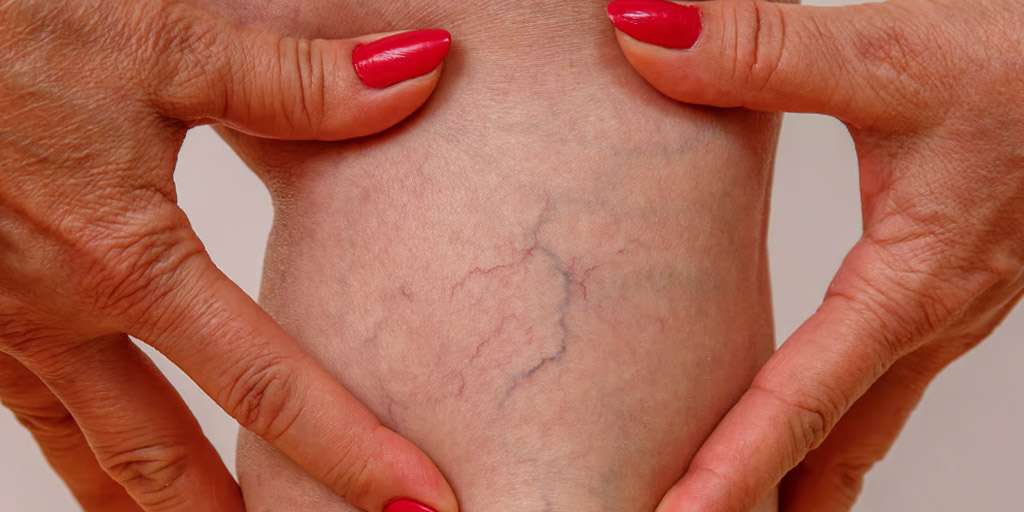
Notice Purple Veins Appearing on Your Legs? Here Are 6 Possible Reasons You Should Know

by


Have You Seen Purple Veins Appearing on Your Legs? Here Are the Possible Reasons… 🧐

Have you ever looked down at your legs and suddenly noticed blue or purple lines that weren't as visible before?

Sometimes, these veins are simply more noticeable because they're close to the surface of the skin. But in other cases, prominent purple veins can be related to changes in the veins and blood flow in your legs.

So, what could be behind them?


Blue Veins: What to Know & When They are a Concern

1. Varicose veins

One of the most common explanations is varicose veins.

These are enlarged, twisted veins that often appear blue or dark purple and are especially common on the legs. They develop when the small valves inside the veins don't work properly, allowing some blood to flow backward and pool in the veins. Over time, the veins can become enlarged and more visible.

Some people have no symptoms other than the appearance of the veins. Others may experience aching, heaviness, itching, muscle cramps or swelling, particularly after standing or sitting for long periods.

2. Spider veins

If the veins look more like tiny branches or a spider web rather than large, bulging cords, they could be spider veins.

Spider veins are small blood vessels close to the surface of the skin. They can appear red, blue or purple and are particularly common on the legs. In most cases, they're harmless and mainly a cosmetic concern.

However, spider veins can sometimes occur alongside problems with blood flow in the veins, so persistent or changing symptoms are worth discussing with a healthcare professional.

3. Getting older

What Do Purple Veins Mean? | Apex Vascular

Age can also play a role.

As we get older, the walls and valves of our veins can gradually lose some of their elasticity and efficiency. This can make veins more likely to become enlarged and visible beneath the skin.

That's one reason visible veins may become more noticeable over the years.

4. Sitting or standing for long periods

Do you spend much of your day sitting at a desk—or standing in one place?

Long periods without much movement can make it harder for blood to return from your legs toward your heart. Reduced movement is recognized as a risk factor for varicose veins.

Regular movement, such as walking and flexing your legs throughout the day, can help support healthy circulation.

5. Pregnancy and hormonal changes

Hormonal changes can also influence the veins.

Pregnancy, for example, increases blood volume and can place additional pressure on the veins in the legs. Hormonal changes associated with pregnancy and menopause may also contribute to the development of varicose veins.

6. Family history and body weight

When To Worry About Varicose Veins

Sometimes, your genes may play a role.

People with a family history of varicose veins are more likely to develop them. Having overweight or obesity can also increase pressure on the veins and is associated with a greater risk of varicose veins.

When should you pay closer attention?

Not every purple vein is a sign of a serious health problem.

But it's worth getting medical advice if the veins are accompanied by persistent pain, swelling, warmth, tenderness, skin changes, sores or significant discomfort.

A particularly important warning sign is a leg that suddenly becomes swollen or painful, especially if the symptoms are new or severe. Blood clots in the deeper veins of the leg can cause pain and swelling and require prompt medical evaluation.

What can you do for your legs?

Simple habits may help support healthy circulation and reduce discomfort associated with varicose veins.

Try to:

  • Walk and move your legs regularly.
  • Avoid staying in one position for very long periods.
  • Elevate your legs when resting if they feel swollen or heavy.
  • Maintain a healthy weight.
  • Ask a healthcare professional whether compression stockings are appropriate for you if you have symptoms.

The bottom line

Seeing purple veins on your legs doesn't automatically mean something is seriously wrong.

They may be spider veins or varicose veins, both of which are common. But if the appearance is new, rapidly changing, or accompanied by pain, swelling, warmth or skin changes, it's better not to ignore it.

Your legs can sometimes give you clues about what's happening beneath the skin—so knowing what is normal for you can make it easier to recognize when something has changed.

Doctors Reveal What Happens When You Eat Eggs in the Morning

by


Eggs have long been considered one of the most nutritious and affordable foods available. Rich in protein, vitamins, minerals, and healthy fats, they are a common breakfast choice in many countries. Yet despite their popularity, questions continue to arise about what really happens when people eat eggs every morning.


https://images.openai.com/static-rsc-4/qPohmjxdHgMgF9GY7ukm2AwzU66oegQ6XE8fckHVAtWc25dX7ZiBrTfnT22NwH13Me_AouAyhGKcFi-2d8CILYRvOi21Cp7EIDsLbu5EuH5heIYCNUfL9UgTAGW9p9E7NdeShbi8onS-gqu-6Zo6iXJMP-IUlIckf26Lhb3DxWfh2etEWi4kx7BOtiPXywwx?purpose=fullsizehttps://images.openai.com/static-rsc-4/2fm3KU9aP5qXVpk5ctO6Srsp95UPS5DuR16nVnMJUMU8rcKZaaKCr8OU1Gz6uYJjbFkhVh__fIyIAlBEOSb4MGNaTC_Sv3vYRc7UNU1oNKzVjxGhoFDzLAyL8rp0JWACw97zNZ0DhS_DB89ExXMMlTIa3jBJViUZXGHtGbGw6Sj-F7xRAoVZNujUNK72uVAo?purpose=fullsize

https://images.openai.com/static-rsc-4/fsi25ryojmF_Cg-rV2--Cmsk5dWN_oxEJEUDAmVEHoRPR24QDXUun_HHSIoZGbp6yjXujwBJTaPw93QdfUK23F1Cm2MnmRnWxBrf2iCoQ0_V53_7QnWq5obKcgyukr6-w41d56-5z7Cz4egKaAmonm2El-n26YkmKCST2XaEVN14TqW3JOCHvvN9DrpNIepo?purpose=fullsize6

Nutrition experts explain that eggs provide a powerful combination of nutrients that can support overall health. A single egg contains high-quality protein along with vitamin D, vitamin B12, selenium, and choline. These nutrients contribute to muscle function, immune support, and brain health.


One of the most noticeable benefits of eating eggs in the morning is increased satiety. Protein takes longer to digest than many refined carbohydrates, helping people feel full for extended periods. This may reduce unnecessary snacking and help individuals better manage their daily calorie intake.


Research has also shown that a protein-rich breakfast can improve energy stability throughout the day. Unlike sugary breakfast options that often lead to rapid blood sugar spikes and crashes, eggs provide a more sustained source of energy. Many people report feeling more focused and productive after starting the day with a balanced meal that includes eggs.


Supporting Muscle and Brain Health

Protein is essential for maintaining and repairing muscle tissue. Because eggs contain all nine essential amino acids, they are considered a complete protein source. This makes them especially valuable for active individuals, older adults, and anyone looking to support healthy muscle maintenance.


https://images.openai.com/static-rsc-4/3yYtqNae_tOhYmD9NZjYyNJMNc-TbBCDvqiMrB2JGabi8JG5mbFmu8xAe0tmuyn9CQtONxP_1SdDCMJWAxMj-Cvatz4OoaGqgEjGlk7WtEHDkYJmp8fT1xvMySXe_17GsOBojfzKwg_I6jryrebfry1x2UqsjlNoFPnAWyBetKlgwEQCRSq_SRClaPhEdGBv?purpose=fullsizehttps://images.openai.com/static-rsc-4/WsNCdkBKhM9X4hzyn4OcqzrnrQcUkkMjwfh7Tg4Y9fdZH1ei_O1wRhH45ZI3yfMrrvgJUZF-8jZcpQxaAQ9Z90D19L1EpFQlo99_vjrPNQkOYMf7oH2fFy8BzEk8E1nu66YlrAkdXwTJ2ZuOc-DBY_typ-pNY6ARR6WQkZ7juhagGYiQX85qNGKOqxfCVb9H?purpose=fullsize

https://images.openai.com/static-rsc-4/haoVRGJ6OqE_eoBFIOPUzfJMxpp_RRVwh2XVV14zIgOyy0nLcFmhBmPqkYuCIIGwQYkeYI2y6ZnYGjst9d6poGQFsp84_ls3POrl8lhtP98hXrJtRfkIIVUy4sqRcVrOCmW6vsttEKLDUCDI-eQF3sOjkUHt-z7BMueDNPr1EKP2_L6Z1x26ieY74SEDnjeH?purpose=fullsize6

Another important nutrient found in eggs is choline. Although often overlooked, choline plays a crucial role in brain function and nervous system health. It contributes to the production of neurotransmitters involved in memory, learning, and mood regulation. Some nutrition experts consider eggs one of the best dietary sources of choline available.


In addition to supporting brain health, eggs contain antioxidants such as lutein and zeaxanthin. These compounds are associated with eye health and may help protect against age-related vision problems.


What About Cholesterol?

For many years, eggs were viewed with caution because they contain dietary cholesterol. However, modern research suggests that dietary cholesterol affects blood cholesterol differently than previously believed. For most healthy people, moderate egg consumption does not significantly increase the risk of heart disease.


Experts emphasize that overall dietary patterns matter more than any single food. Eating eggs as part of a balanced diet that includes vegetables, fruits, whole grains, and healthy fats is generally considered a healthy choice.


Of course, individual health conditions should always be taken into account. People with specific cardiovascular concerns or medical conditions should consult healthcare professionals for personalized dietary guidance.


https://images.openai.com/static-rsc-4/edPb0iHAAQ95C3sUxVgv1hUK92yXl8zMWBQDfRa5oXSD3HR-KBBvl_0leq0c-nlmAij7dy1x_3BsjX_y-tc8R9gPCR9S7KaTomBwsBOdXS5TJv0HW28EVS_LjTSRVNJdyXWZkFyRTpMzlgskzP0Dm1E9Hj407lE_IaoDemHInuWaocsnr5Fcz5MKUldtsJVb?purpose=fullsizehttps://images.openai.com/static-rsc-4/v1_oGvG5Sv2arhWpFvaYBAHRY5DuKbJ3bis_pYRJ8Yb51X2Pc5HLALcoYIuAseeyB9ojNd3p-mLMQ3KCcXZ0giQqGOXTgeKPU5tUy2w36gpxCFFca4bck6XdFn7aYw6hQNumeKOA1RazVdBPLYQV74Jd15IGkrj9R4-fR55T_R-GTIyD2C1XK_8bBRovWSOa?purpose=fullsizehttps://images.openai.com/static-rsc-4/vy21oabY9ouRZapvBp6-zCyCLgsXoWWbmP9Jx0BxppALhwh342lvx_34oFxxCnHwy-r89tCOKPs5qvIfAcecsjiqXQw70nmwPpWAdpdL5hrgkXoWWmv9uBf-OsrghtyXZil-DFeICN-PwSQnSK09xv0zNq7Rc4MdDHbaXB2Pg25WHDhE68cl1k4P-ORn4ctC?purpose=fullsize

5

The Bottom Line

Eggs remain one of the most nutrient-dense foods available. When eaten in moderation as part of a balanced breakfast, they may help support fullness, steady energy levels, muscle maintenance, cognitive function, and overall wellness.


Rather than focusing on alarming headlines or nutritional myths, health experts encourage people to consider the bigger picture of their eating habits. A breakfast that includes eggs, vegetables, and other wholesome foods can be a simple and effective way to start the day.


While no single food guarantees perfect health, eggs continue to earn their place as a nutritious option for millions of people around the world. For many, enjoying eggs in the morning is not only convenient but also a smart way to fuel the body for the day ahead.

Top Ad 728x90

Top Ad 728x90