
You wake up in the morning, brush your teeth, glance in the mirror—and notice something strange.
Your tongue looks white.
Maybe it is covered by a thin, pale coating. Maybe the entire surface looks almost chalky. Or perhaps there are thicker white patches that seem to cling to the tongue and refuse to disappear after brushing.
For many people, the first reaction is simple:
"What's wrong with my tongue?"
A white tongue can certainly look alarming. But in most cases, it does not automatically mean that something is seriously wrong.
The tongue naturally collects bacteria, dead cells, food particles, mucus, and other debris. When these materials accumulate between the tiny structures on the surface of the tongue, they can create a white or yellowish coating.
Sometimes, however, a white tongue can be associated with dehydration, dry mouth, irritation, oral infections, medications, or other underlying conditions.
That's why the appearance of your tongue can sometimes provide useful clues—but it should never be treated as a standalone diagnostic test.
So what exactly causes a white tongue?
And when is it simply a harmless coating versus something that deserves medical attention?
Let's take a closer look.
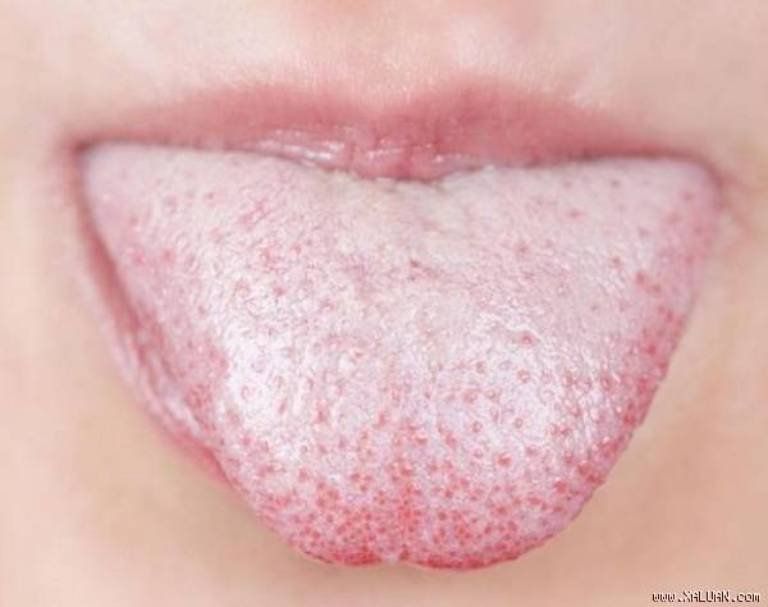
What Is a White Tongue?
A "white tongue" is not a disease by itself.
It is a description of what the tongue looks like.
The surface of the tongue is covered with tiny projections called papillae.
These structures help with functions such as taste and manipulating food.
When the papillae become coated with debris, bacteria, dead cells, mucus, or other material, the surface can appear white.
The coating may be:
Thin and barely noticeable
Thick and creamy
Patchy
Yellowish-white
Spread across most of the tongue
Limited to specific areas
The appearance can change from day to day.
Sometimes you may notice a white coating first thing in the morning and find that it largely disappears after drinking water, eating, brushing your teeth, or gently cleaning your tongue.
That pattern is usually much less concerning than a persistent white patch that does not go away.
The Tongue Is Not Supposed to Be Perfectly Pink
Many people assume that a healthy tongue should look perfectly smooth and bright pink all day.
That's not necessarily realistic.
A healthy tongue can naturally have a slight coating.
The appearance changes depending on:
Hydration
Food and drink
Oral hygiene
Saliva production
Mouth breathing
Sleep
Smoking
Alcohol consumption
Medications
Illness
The normal balance of microorganisms in the mouth
For example, your tongue may look whiter after waking up because saliva production decreases during sleep.
If you sleep with your mouth open, the effect can become even more noticeable.
So seeing a little white coating in the morning does not automatically mean something is wrong.
Why Does the Tongue Turn White?
There isn't one single cause.
A white appearance can develop when material accumulates between and around the papillae.
Think of the tongue as a textured surface rather than a smooth piece of skin.
Food particles and microorganisms can become trapped within those microscopic structures.
Dead cells can accumulate.
Mucus can stick to the surface.
When all of these materials combine, the tongue can appear white.
The thicker the accumulation, the more obvious the coating becomes.
This is why a person may notice a dramatically whiter tongue after several hours without eating, drinking, or cleaning their mouth.
Dehydration Can Make It More Noticeable
One of the simplest explanations for a white tongue is dehydration.
When your body does not have enough fluid, saliva production can decrease.
Saliva plays an important role in maintaining the mouth.
It helps:
Lubricate oral tissues
Wash away food particles
Support normal oral microorganisms
Help with swallowing
Protect teeth and oral tissues
When the mouth becomes dry, debris can accumulate more easily.
The tongue may therefore develop a thicker coating.
You may also notice other symptoms of dry mouth, such as:
Sticky saliva
A dry or rough feeling in the mouth
Increased thirst
Difficulty swallowing dry foods
Bad breath
A dry throat
If your tongue looks noticeably whiter after a night of poor hydration and improves after drinking fluids, dehydration or dry mouth may be contributing.
Mouth Breathing Can Play a Role
Do you wake up with a dry mouth?
If so, your breathing pattern during sleep could be part of the explanation.
People who breathe through their mouths while sleeping lose more moisture from the oral cavity.
This can happen because of:
Nasal congestion
Allergies
A blocked nose
Structural nasal problems
Habitual mouth breathing
Sleep-related breathing problems
A dry mouth creates an environment where coating can accumulate more easily.
So if your tongue looks white primarily in the morning, consider what your mouth feels like when you wake up.
A dry mouth combined with a coated tongue may point toward reduced overnight moisture rather than a serious disease.
Poor Oral Hygiene Can Contribute
The tongue is part of your mouth, so it is affected by oral hygiene.
Brushing your teeth removes plaque from the teeth, but the tongue can also accumulate bacteria and debris.
If the tongue is rarely cleaned, a coating may become more noticeable.
However, "poor oral hygiene" does not necessarily mean someone never brushes their teeth.
Even people who brush regularly can develop tongue coating.
The tongue has a naturally textured surface, and some people simply accumulate more material than others.
Gentle tongue cleaning can help reduce the buildup.
What About Bad Breath?
A white-coated tongue and bad breath often appear together.
Why?
Because bacteria and trapped debris can contribute to unpleasant odors.
The tongue can harbor a large population of microorganisms.
Some bacteria produce volatile compounds that contribute to bad breath.
This is one reason tongue cleaning can be useful for some people.
But persistent bad breath has many possible causes.
It can also be associated with:
Gum disease
Tooth decay
Dry mouth
Certain foods
Smoking
Some medications
Tonsil problems
Sinus or nasal conditions
Gastrointestinal conditions in less common situationsSo a white tongue accompanied by persistent bad breath deserves attention to overall oral health rather than focusing exclusively on the tongue.
Could a White Tongue Mean You Have a Fungal Infection?
Yes, sometimes.
One important cause of white patches in the mouth is oral thrush, a fungal infection commonly associated with Candida species.
Candida can normally exist in the mouth without causing disease.
Problems can occur when the balance of microorganisms changes or when conditions make fungal overgrowth more likely.
Oral thrush can produce creamy white patches on the tongue or other parts of the mouth.
Some people describe the patches as looking like milk or cottage cheese.
Unlike an ordinary thin coating, thrush may be more persistent.
The patches may sometimes be removed, but doing so can leave an irritated or reddened surface underneath.
Some people also experience:
Burning
Soreness
Altered taste
Sensitivity
Difficulty eating
A cotton-like sensation in the mouth
If you suspect oral thrush, particularly if symptoms are persistent or significant, a healthcare professional or dentist can determine whether treatment is appropriate.
Who Is More Likely to Develop Oral Thrush?
Certain situations can increase the likelihood of oral Candida overgrowth.
These can include:
Recent antibiotic use
Inhaled corticosteroid use
Dentures
Dry mouth
Certain medical conditions
Weakened immune function
Poorly controlled diabetes
This doesn't mean that everyone with one of these factors will develop thrush.
It simply means the risk can be higher.
For example, antibiotics can alter the normal microbial balance in the mouth, potentially allowing Candida to multiply more easily.
People who use inhaled corticosteroids for respiratory conditions can also reduce their risk by following their prescribed technique and, when appropriate, rinsing the mouth after using the medication.
Not Every White Patch Is Thrush
This distinction is important.
People sometimes see a white area on their tongue and immediately assume it is a fungal infection.
That isn't necessarily the case.
Other conditions can create white patches or changes in tongue appearance.
Some are harmless.
Others need professional evaluation.
That is why self-diagnosing based solely on color can be misleading.
A dentist or doctor can examine the texture, location, duration, and behavior of the lesion and determine whether further evaluation is necessary.
Geographic Tongue Can Look Strange
Another relatively common condition is geographic tongue.
Despite its unusual name, it has nothing to do with geography.
The condition produces irregular smooth red areas on the tongue, often surrounded by a lighter or whitish border.
The pattern can change over time.
One area may heal while another appears somewhere else.
This creates a map-like appearance, which explains the name.
Geographic tongue is generally considered benign.
Some people have no symptoms.
Others experience sensitivity to spicy, acidic, or particularly hot foods.
It can look dramatic, but appearance alone does not mean the tongue is unhealthy.
Leukoplakia: A White Patch That Should Be Checked
Another condition that can produce persistent white patches is leukoplakia.
Leukoplakia refers to white patches in the mouth that cannot simply be explained by another obvious condition.
It can occur on the tongue or other oral tissues.
Some cases are associated with chronic irritation, tobacco use, or other factors.
The important point is that a persistent white patch should not automatically be dismissed.
Some leukoplakia lesions can contain abnormal cells and, in a minority of cases, may be associated with an increased risk of oral cancer.
That does not mean every white patch is cancer.
Far from it.
But a persistent, unexplained white patch deserves professional evaluation.
When Should You Be Concerned?
One of the most useful things to remember is persistence.
A temporary coating is generally less concerning.
A lesion that remains in the same location for weeks is more important to investigate.
Consider seeing a dentist or healthcare professional if you notice:
A white patch that doesn't go away
A patch that cannot be removed
A sore that doesn't heal
Bleeding
Persistent pain
A lump
Difficulty swallowing
Difficulty moving the tongue
Persistent numbness
Unexplained weight loss
Significant changes in the mouth
These symptoms do not automatically mean cancer or another serious disease.
They simply indicate that professional examination is appropriate.
Tobacco and White Patches
Tobacco use can significantly affect the mouth.
Smoking and smokeless tobacco can irritate oral tissues and increase the risk of various oral conditions.
Chronic irritation can contribute to changes in the appearance of the tongue and other tissues.
More importantly, tobacco is a well-established risk factor for oral cancer.
If someone who uses tobacco develops a persistent white or red patch in the mouth, it should not be ignored.
This is one situation where "I'll wait and see" is not the best strategy if the abnormality persists.
Alcohol Can Also Affect the Mouth
Alcohol can contribute to dry mouth and irritation, depending on the amount and frequency of consumption.
When combined with tobacco use, alcohol is particularly relevant to oral health because the two exposures can interact to increase oral cancer risk.
That does not mean that having a white tongue after drinking automatically indicates damage.
Temporary changes can occur simply because of dehydration.
But persistent oral changes deserve attention, especially in people with significant risk factors.

Could Your Medications Be Responsible?Yes.
Many medications can contribute to dry mouth.
Some classes include certain:
Antihistamines
Antidepressants
Decongestants
Blood-pressure medications
Anticholinergic medications
Other drugs with drying effectsWhen saliva production decreases, the mouth can become more prone to coating, irritation, and discomfort.
If your white tongue appeared after starting a new medication, don't stop the medication on your own.
Instead, discuss the symptom with your doctor or pharmacist.
There may be ways to manage the dry mouth without discontinuing necessary treatment.
Antibiotics and the Oral Microbiome
Antibiotics can be extremely useful when treating bacterial infections.
But they can also affect normal microorganisms throughout the body.
The mouth contains a complex ecosystem of bacteria and fungi.
Changing that balance can sometimes allow certain organisms to grow more easily.
One example is Candida.
This is why some people develop oral thrush after taking antibiotics.
If a white coating appears after a course of antibiotics and is accompanied by soreness or patches that behave differently from ordinary tongue coating, it is worth discussing with a healthcare professional.
Could Diabetes Be Related?
Diabetes can influence oral health in several ways.
People with poorly controlled blood glucose may be more susceptible to certain infections, including oral fungal infections.
Diabetes can also contribute to dry mouth and other oral problems.
However, a white tongue by itself is not a reliable test for diabetes.
You should not assume that a coated tongue means your blood sugar is high.
If you have symptoms or risk factors for diabetes, appropriate blood-glucose testing is far more useful than trying to interpret tongue color.
Is a White Tongue a Sign of Dehydration?
It can be.
But again, it is not a reliable diagnostic test by itself.
Other signs of dehydration may include:
Thirst
Dry mouth
Darker urine
Reduced urination
Fatigue
Dizziness in more significant cases
If your tongue becomes coated after exercise, illness, heat exposure, or a night of poor fluid intake, hydration may improve the appearance.
However, severe dehydration can be dangerous.
If someone is unable to keep fluids down, is extremely weak, confused, fainting, or showing signs of significant fluid loss, medical attention is more important than focusing on the tongue.
What Does Your Tongue Look Like After Sleeping?
Morning tongue coating is extremely common.
During sleep, saliva production decreases.
You aren't eating or drinking.
You may breathe through your mouth.
And microorganisms continue to exist in the oral environment.
All of this can allow a temporary coating to develop.
That's why your tongue may look significantly different when you wake up compared with several hours later.
If the coating largely disappears after hydration and routine oral care, it is generally less concerning.
Can Diet Make Your Tongue White?
Certain foods and drinks can temporarily alter the appearance of the tongue.
Dairy products, sugary foods, coffee, tea, and strongly colored foods can leave residue.
A thick coating can also become more obvious when someone has not eaten for a long time.
This doesn't necessarily indicate a health problem.
The important distinction is between a temporary surface coating and a persistent abnormal patch.
What About Fasting?
During fasting, people may notice changes in breath and tongue coating.
There are several reasons.
Reduced food intake means there is less mechanical cleaning from chewing.
Fluid intake may also decrease depending on the type of fast.
Saliva composition and oral moisture can change.
As a result, the tongue may appear more coated.
Again, this does not automatically indicate illness.
Can Stress Change Your Tongue?
Stress can influence the mouth indirectly.
People under stress may:
Drink less water
Sleep poorly
Breathe through the mouth
Consume more caffeine
Smoke more
Change eating habits
Experience changes in saliva
All of these factors can influence the appearance of the tongue.
Stress can also contribute to behaviors such as teeth grinding or jaw clenching, which may cause other oral symptoms.
But stress itself is not a simple explanation for every white patch.
Persistent abnormalities should still be examined.
How Should You Clean Your Tongue?
Tongue cleaning can be a useful part of normal oral hygiene.
You can use a toothbrush or tongue scraper to gently remove surface buildup.
The key word is gently.
You do not need to scrape until the tongue turns bright pink.
And you should not repeatedly scrub hard enough to make the tongue sore or bleed.
The goal is to remove surface debris—not damage the tissue.
A simple routine can be enough:
Brush your teeth twice daily.
Gently clean the tongue.
Floss or clean between the teeth.
Drink adequate fluids.
Maintain regular dental checkups.
For many people, that's all they need.
Should You Use Mouthwash?
Mouthwash can be useful in certain situations, but it isn't mandatory for everyone.
Some mouthwashes contain ingredients designed to reduce bacteria or provide fluoride.
Others contain alcohol or other compounds that can contribute to dryness in some people.
If you already have a dry mouth, choosing an appropriate alcohol-free product may be preferable.
But mouthwash should not be used to mask persistent oral symptoms.
If a white patch keeps returning or never disappears, treating the surface appearance without identifying the cause is not the ideal approach.
Don't Scrape a Persistent White Patch Aggressively
This is an important warning.
If a white area doesn't disappear with gentle cleaning, don't keep scraping harder.
Aggressive scraping can injure the tissue.
A persistent lesion may not simply be surface debris.
If the patch remains despite normal oral hygiene, allow a dentist or healthcare professional to examine it.
A professional can determine whether it is:
A coating
Fungal infection
Irritation
A benign condition
Leukoplakia
Another oral lesion
Can Acid Reflux Cause a White Tongue?
Acid reflux can affect the mouth in various ways, particularly by exposing teeth and oral tissues to stomach acid.
It may contribute to unpleasant taste, irritation, or other symptoms.
However, a white-coated tongue is not a specific sign of acid reflux.
If you have frequent heartburn, regurgitation, sour taste, chronic throat irritation, or other reflux symptoms, those symptoms are more informative than tongue color alone.
Can a White Tongue Mean You Have a "Toxin Buildup"?
You may encounter claims online that a white tongue means toxins are accumulating in your body.
There is no need to accept that explanation.
The white coating has much more straightforward biological explanations.
It can consist of:
Dead cells
Bacteria
Food particles
Mucus
Keratinized tissue
Other debris
Your body already has organs responsible for processing and eliminating waste, including the liver and kidneys.
A white tongue is not evidence that you need a "detox."
What About Your Gut Health?
The mouth and digestive tract are biologically connected, and microorganisms exist throughout the gastrointestinal system.
But a white tongue is not a reliable window into your gut microbiome.
Social media sometimes presents tongue appearance as a diagnostic chart for digestive health.
Those claims often go far beyond what scientific evidence supports.
If you have digestive symptoms, evaluate the symptoms themselves rather than relying on tongue color.
A white tongue cannot tell you exactly what is happening inside your stomach or intestines.
Can a White Tongue Tell You You're Sick?
Sometimes illness can indirectly change the appearance of the tongue.
When people are sick, they may:
Become dehydrated
Eat less
Drink less
Develop fever
Breathe through the mouth
Take medications
Produce less saliva
All of these can increase tongue coating.
So a white tongue may accompany illness without being a specific indicator of the illness itself.
It's better to interpret it as one small observation rather than a diagnosis.
Why the Texture Matters
Color is only one part of the picture.
Healthcare professionals also care about texture.
A thin, removable coating is different from a thick, firmly attached patch.
A smooth white area is different from a rough or raised lesion.
A patch that changes location is different from one that stays fixed.
A painful area is different from one that causes no symptoms.
This is why photographs and online descriptions can never fully replace a physical examination when something persists.
The Difference Between a Coating and a Lesion
This distinction can help you understand what you're seeing.
A coating generally sits on the surface.
It may change during the day.
It may partially disappear after drinking, eating, brushing, or gentle tongue cleaning.
A lesion is a change in the tissue itself.
It may remain in the same location.
It may not disappear with cleaning.
It can have a different texture or firmness.
If you're unsure which one you're seeing, that's a good reason to have it examined rather than repeatedly trying to scrape it away.
What If Your Tongue Is White and Sore?
Soreness changes the picture somewhat.
A simple coating often causes little or no discomfort.
Pain, burning, or sensitivity may suggest irritation, infection, inflammation, trauma, or another condition.
Possible causes include:
Oral thrush
Irritation from foods
Burns from hot foods or drinks
Certain medications
Dry mouth
Other oral conditions
Persistent pain should be evaluated, particularly if it occurs alongside a persistent white patch.
What If the White Area Keeps Coming Back?
Recurring symptoms can have many explanations.
Perhaps the underlying factor is still present.
For example:
Persistent dry mouth
Denture use
Medication effects
Recurrent fungal overgrowth
Tobacco exposure
Chronic irritation
If a white coating repeatedly returns despite good oral hygiene, consider the bigger pattern.
When did it start?
Does it disappear completely?
Does it hurt?
Are you taking medication?
Do you have dry mouth?
Do you smoke?
Do you use an inhaled steroid?
These details can help a clinician determine what is happening.
Can Dentures Cause White Tongue?
Dentures can contribute to oral changes.If dentures are not cleaned properly, microorganisms can accumulate.
Wearing dentures continuously, including overnight when not recommended, can also increase the risk of certain oral problems.
People who wear dentures and develop persistent white patches, redness, soreness, or burning should have the mouth and dentures evaluated.
Proper denture hygiene is important.
What About Inhalers?
People who use inhaled corticosteroids may have an increased risk of oral thrush.
This doesn't mean they should stop using their inhaler.
If the medication is necessary, it should generally be used as prescribed.
Depending on the specific inhaler and medical advice, rinsing the mouth after use may help reduce the amount of medication remaining in the mouth.
If recurrent white patches occur, discuss them with your healthcare professional.
Could Your Tongue Reveal a Nutritional Deficiency?
Some nutritional deficiencies can affect the tongue.
Iron, vitamin B12, folate, and other nutrient deficiencies can cause oral changes.
Interestingly, some deficiencies are more associated with a smooth, sore, or inflamed tongue rather than a simple white coating.
This is another reason not to assume that every visible change has the same cause.
If you have fatigue, weakness, unusual tongue changes, dietary restrictions, or other symptoms suggestive of deficiency, appropriate blood testing is more useful than judging your nutrient levels from your tongue.
Your Tongue Is a Clue, Not a Diagnosis
This is perhaps the most important concept.
Your tongue can provide clues.
It can show that your mouth is dry.
It can reveal obvious irritation.
It can sometimes point toward infection.
It can alert you to a persistent lesion.
But it cannot tell you your complete health status.
There is no reliable system where you simply look at the tongue and diagnose every internal organ.
Claims that specific tongue colors correspond directly to particular organs or diseases should be treated cautiously.
Modern medicine relies on symptoms, physical examination, medical history, laboratory testing, imaging, and other appropriate diagnostic tools.
When a White Tongue Is Probably Harmless
A white tongue is generally less concerning when:
The coating is thin.
It appears mostly in the morning.
It improves after drinking water.
It improves after brushing or gentle tongue cleaning.
There is no pain.
There are no persistent patches.
You otherwise feel well.
The appearance changes from day to day.
This pattern often fits ordinary tongue coating.
When You Should Get It Checked
On the other hand, professional evaluation is more appropriate when:
A white patch persists for more than a couple of weeks.
The area cannot be removed with gentle cleaning.
It is painful or burning.
It repeatedly bleeds.
It becomes larger.
It feels hard or thickened.
You have difficulty swallowing.
You develop unexplained numbness.
There is a persistent lump.
You have unexplained weight loss.
You use tobacco and notice a persistent oral lesion.
Again, these signs do not mean that you have cancer.
They simply mean that the cause should be determined rather than guessed.
What a Dentist Can Look For
A dentist can examine more than just your teeth.
During an oral examination, they can inspect:
The tongue
Gums
Inner cheeks
Roof of the mouth
Floor of the mouth
Tonsillar areas
Lips
Other oral tissues
They can assess whether a white area is removable, whether it appears irritated, and whether it needs further investigation.
In some cases, additional testing may be necessary.
The important thing is that a persistent abnormality can be properly characterized.

Your Morning Tongue Isn't Necessarily Your Health Report
It's tempting to wake up, look at your tongue, and immediately search the internet for what the color supposedly means.
But this can create unnecessary anxiety.
Your tongue naturally changes throughout the day.
Morning breath is different from afternoon breath.
Saliva levels change.
Food changes the surface.
Drinks change the color.
Hydration changes the coating.
So don't judge your overall health based on a single glance in the mirror.
Look for patterns instead.
The Bottom Line
A white tongue can look dramatic, but most cases are not emergencies.
Often, the explanation is simple:
A combination of bacteria, dead cells, food particles, mucus, and reduced moisture has accumulated on the textured surface of the tongue.
Dehydration, dry mouth, mouth breathing, oral hygiene, diet, medications, and illness can all influence how noticeable the coating becomes.
In other cases, a persistent white area may be related to conditions such as oral thrush, leukoplakia, or other oral disorders that deserve professional evaluation.
The key is not to panic—and not to ignore persistent changes.
If the coating disappears with normal oral care and you have no other symptoms, it is usually much less concerning.
But if a white patch remains, changes, hurts, bleeds, or is accompanied by other unusual symptoms, make an appointment with a dentist or healthcare professional.
Your tongue can tell you that something has changed.
It just can't tell you exactly what that change means on its own.
And that's the real lesson.
Your tongue is not a crystal ball.
It is a living, constantly changing part of your body that can sometimes provide useful clues—but the best way to understand those clues is to look at the entire picture.
So the next time you wake up and notice a white coating on your tongue, don't immediately assume the worst.
Drink some water.
Brush your teeth.
Gently clean your tongue.
Pay attention to whether it improves.
And most importantly, learn to recognize the difference between a temporary coating and a persistent change.
Because sometimes, your tongue really can tell you something about your health.
You just have to know what it's actually saying.


0 comments:
Post a Comment